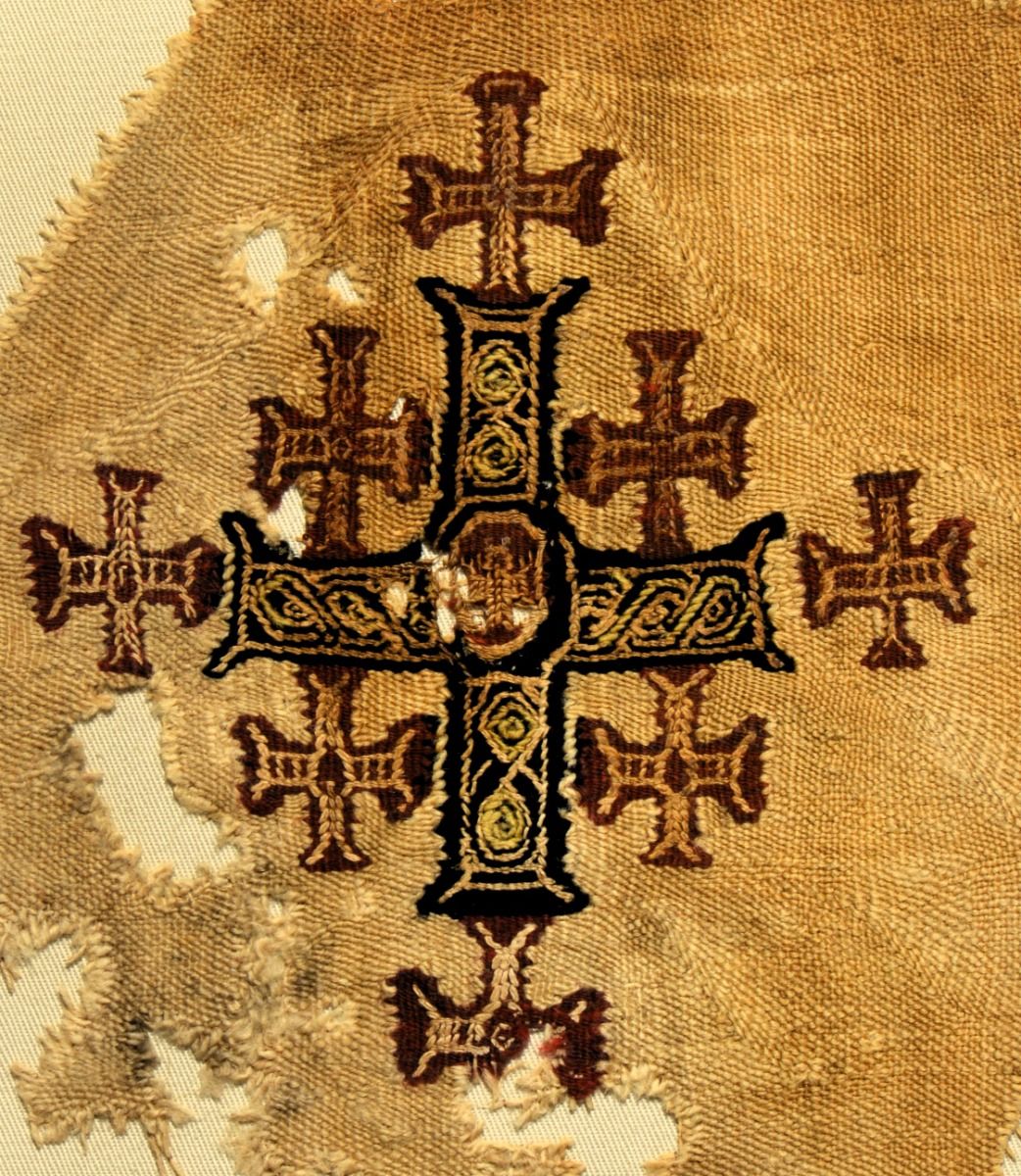



Coptic Studies Institute
The Coptic Studies Institute comprises three main divisions covering various fields of study and academic research related to Coptic heritage and sciences:
- Ecclesiastical Sciences Division: This division is concerned with the study of liturgy, theology, and the Coptic language. It aims to prepare specialized researchers capable of understanding Coptic doctrine, worship, and the ancient Coptic language.
- Coptic Heritage Division: This division specializes in the study of Coptic history, archaeology, art, architecture, and ecclesiastical music. It seeks to preserve Coptic identity and transmit it to new generations through a scientific and systematic approach.
- Humanities Division: This division focuses on educational, media, and social studies related to the Church and society. It works to connect academic knowledge with service to both the individual and the Church.
Through these divisions, the Institute provides an integrated educational system that combines science and faith, heritage and modernity, making it a unique center for research and education in Coptic Studies.

Ecclesiastical Sciences Division
Department of Theology
The Department of Theological Sciences explores Christian theology in all its dimensions—biblical, doctrinal, spiritual, pastoral, and comparative. It provides a profound understanding of the faith through the study of the Holy Scriptures, the writings of the Church Fathers, theological thought, and the relationship between theology and science.
Students engage with the Old and New Testaments, theological terminology, and the Coptic and Greek languages, thereby developing a strong foundation for academic research and spiritual growth. The department prepares researchers committed to serving the Church and society while preserving and advancing the Coptic and Orthodox Christian heritage.
Department of Coptic Language
The Department of Coptic Language is dedicated to preserving and promoting the linguistic heritage of the Coptic Church. Coptic represents the final stage in the development of the ancient Egyptian language. The department provides comprehensive instruction in reading, writing, grammar, conversation, and translation, enabling students to access original Coptic texts and liturgical manuscripts.
Through the study of Coptic dialects, students gain a deep understanding of the structure, development, and cultural significance of the language. The department aims to equip researchers, translators, and educators with the linguistic and analytical skills necessary to critically engage with Coptic literature, theology, and history, thereby ensuring the continued vitality of the Coptic linguistic heritage.
The department also offers courses in reading, writing, grammar, conversation, and translation across the major Coptic dialects, enabling students to engage directly with Coptic texts and manuscripts. It prepares researchers to advance academic studies and research while preserving the Coptic linguistic and cultural heritage.
Department of Coptic Hymns and Music
The Department of Coptic Hymns and Music is dedicated to the study, teaching, and preservation of the rich musical and liturgical heritage of the Coptic Orthodox Church. The department provides training in hymnology, musical notation, rhythm, and vocal performance, with an emphasis on both traditional and academic approaches.
The department aims to equip students with the skills necessary to document, interpret, and perform Coptic hymns, thereby ensuring the continuity and authenticity of this sacred musical tradition.
Department of Ecclesiastical and Ecumenical Relations
The Department of Ecclesiastical and Ecumenical Relations specializes in the study and promotion of the Coptic Orthodox Church’s participation in the ecumenical movement and its relations with other Christian denominations. The department’s curriculum covers a wide range of topics, including the history of the ecumenical movement, major ecumenical councils, and relations with other churches.
Students study the work and experiences of pioneers of the ecumenical movement, the formation and activities of ecumenical organizations and councils, and the biblical and theological principles underlying dialogue among churches. The department prepares specialized personnel to participate in ecumenical activities.
It also provides opportunities for practical engagement through seminars and conferences, Christian unity celebrations, inter-church visits, and educational courses in ecumenism.
Department of Canon Law
The Department of Canon Law specializes in the study of ecclesiastical legislation and regulations governing the affairs of clergy and laity within the Church. The curriculum covers key areas such as worship, liturgy, doctrine, and church administration, with a focus on the historical development of canon law through the study of the Canons of the Apostolic Fathers, church councils, and prominent figures in the field.
The department also addresses topics related to personal status, monastic regulations, and ecclesiastical judicial procedures. It aims to provide students with a comprehensive understanding of the principles and applications of canon law in contemporary church life and to prepare them for leadership and advisory roles in the administration of church affairs.
Coptic Heritage Division
Department of Coptic Art
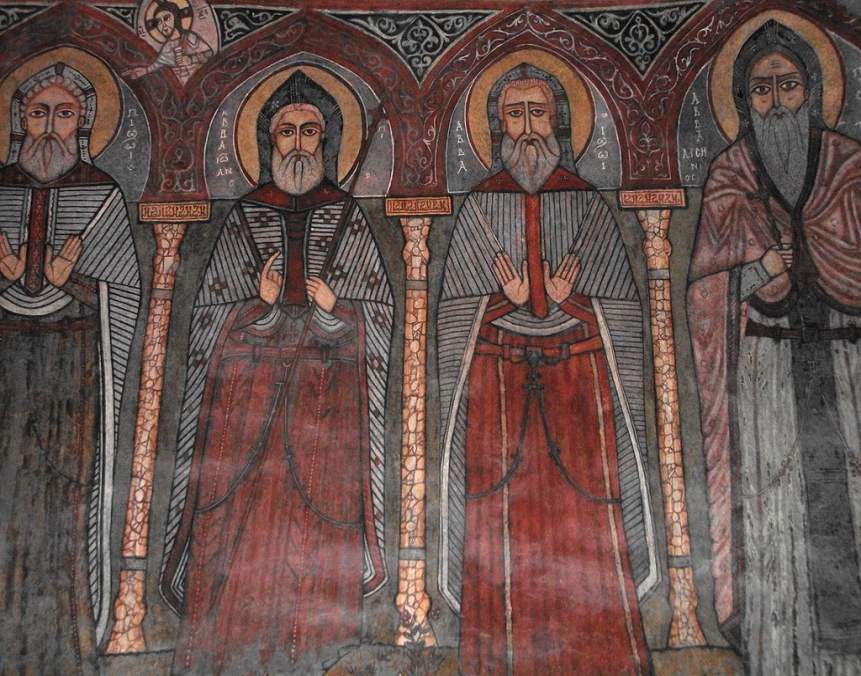
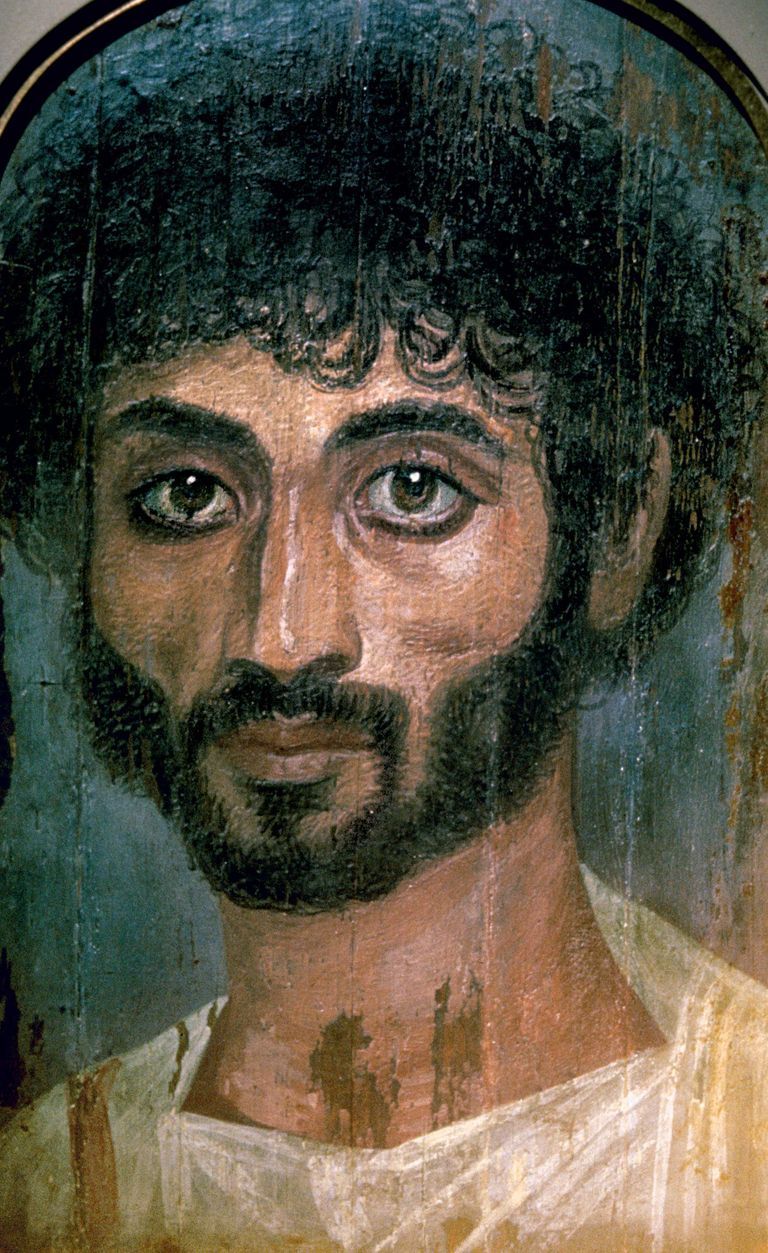
The Department of Coptic Art focuses on the study and practice of Coptic art in its various forms, including icons, murals, mosaics, woodwork, ceramics, pottery, glass, and textiles. Students explore all stages of artistic production—including design, color theory, symbolism, styles, and techniques—through specialized ateliers that provide hands-on experience in both traditional and contemporary Coptic art.
The curriculum balances theory and practice, integrating historical, stylistic, and theological studies with creative application. It prepares graduates for professional careers in artistic production rooted in the Coptic heritage.
Department of Coptic Architecture
The Department of Coptic Architecture focuses on the history, development, and symbolism of Coptic architecture, examining its architectural styles, construction techniques, decorative elements, and spatial symbolism within their historical, artistic, and liturgical contexts. Students learn architectural documentation, surveying, and restoration methods, supported by historical and archaeological studies.
The curriculum develops students’ skills in analyzing, documenting, and designing Coptic architectural spaces, with particular emphasis on the principles of church design from liturgical and doctrinal perspectives. The department aims to preserve and interpret Coptic architectural traditions, promote appreciation of their influence on Egyptian and Christian architecture, and prepare students for further research, restoration, and heritage preservation.
Department of Coptic Archaeology
The Department of Coptic Archaeology employs scientific methodologies to study, document, and reconstruct Coptic sites within their historical and cultural contexts. Its academic program focuses on research frameworks that highlight Coptic archaeology as an integral part of Egypt’s heritage across different historical periods.
Through this approach, students gain a comprehensive understanding of Coptic sites as essential elements of Egypt’s broader historical and cultural development. The department aims to preserve and promote Coptic archaeological heritage as an essential component of Egypt’s historical and cultural heritage.
Humanities Division
Department of Coptic History
The Department of Coptic History covers the study of Coptic history across all periods, from the Apostolic Age to the modern era. The curriculum explores major historical events, church councils, ecclesiastical figures, Coptic manuscripts, and the social, economic, and political roles of the Copts in Egypt.
It also examines the history of the Ecumenical Councils, the Patriarchs of Alexandria, and the development of Coptic civilization throughout different historical periods. This provides students with the ability to analyze the impact of Coptic society and Christian heritage on Egypt.
Department of Sociology and Education
The Department of Sociology and Education studies the social, cultural, and educational dimensions of Coptic and Christian communities in general. It focuses on understanding social structures, family and community life, and the role of education in shaping moral and spiritual values.
The curriculum integrates social theory with educational practice, with an emphasis on social ethics, community development, and educational approaches inspired by Christian principles. Students are trained to address contemporary social challenges in ways that promote cultural awareness, social responsibility, and spiritual growth.
Department of African Studies
The Department of African Studies specializes in the study of Africa’s history, cultures, languages, and religions, with a particular focus on Christian communities and their heritage. The department examines social structures, traditions, and historical developments, highlighting the connections between African and Coptic civilizations.
Students gain knowledge of African languages, ethnography, and regional history, while developing their research and analytical skills to study cultural, religious, and social dynamics.
Department of Media Studies
The Department of Media Studies aims to apply media theories and techniques to document, communicate, promote, and raise awareness of Coptic heritage. Its curriculum covers media theory, public relations, the history and development of mass media, media documentation, and communication strategies specifically designed for Coptic content.
Students receive practical training in developing and implementing media projects, managing public relations, and utilizing various media channels to serve the cultural and spiritual life of Coptic communities.
Department of Eastern Christian Heritage
The Department of Eastern Christian Heritage explores the history, culture, languages, and traditions of the Eastern Orthodox and Oriental Christian Churches. Its curriculum covers the theological, liturgical, and historical development of these churches, as well as their social dimensions, their relations with the Coptic Church, and the major events that shaped their identities.
The department also examines Coptic heritage that has been translated from Greek or Coptic into Arabic and other languages.